
50 houseplants that are safe for cats and dogs
A cat that nibbles leaves, a puppy that tastes everything: here are the plants you can keep within their reach, and the ones to put out of it.
Non-toxic doesn't mean edible. A safe plant can still cause vomiting if an animal eats a lot of it, and fertilisers or treatments on its leaves can be toxic themselves. If in doubt, or if you notice symptoms, call your vet.
This list only includes plants recognised as non-toxic to cats and dogs by the ASPCA, the reference for animal poison control, or by another veterinary source.
50 plants
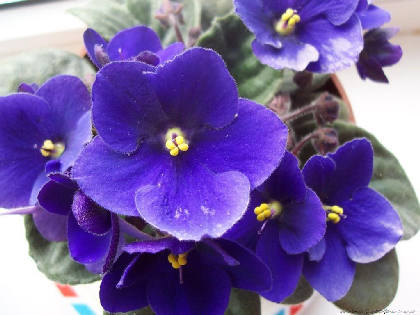
African violet
Streptocarpus ionanthus6 dBrightMediumAlso called saintpaulia
Aluminium plant
Pilea cadierei5 dBrightEasyAlso called pilea cadierei
Areca palm
Dypsis lutescens5 dBrightMediumAlso called areca
Baby rubber plant
Peperomia obtusifolia9 dBrightEasyAlso called peperomia
Baby's tears
Soleirolia soleirolii3 dBrightMediumAlso called soleirolia
Banana plant
Musa acuminata3 dSunMediumAlso called dwarf banana
Bird's nest fern
Asplenium nidus5 dShadeEasyAlso called asplenium
Boston fern
Nephrolepis exaltata3 dBrightMediumAlso called nephrolepis
Bunny ears cactus
Opuntia microdasys14 dSunEasyAlso called opuntia
Burro's tail
Sedum morganianum14 dSunEasyAlso called sedum morganianum
Calathea medallion
Goeppertia roseopicta5 dShadeMediumAlso called calathea roseopicta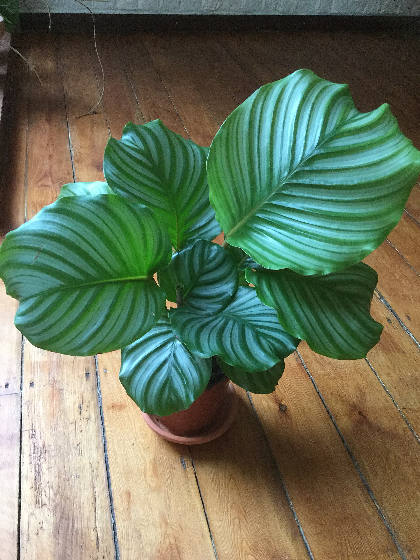
Calathea orbifolia
Goeppertia orbifolia4 dShadeExpertAlso called calathea
Cast iron plant
Aspidistra elatior10 dShadeEasyAlso called aspidistra
Christmas cactus
Schlumbergera truncata7 dBrightEasyAlso called schlumbergera
Cretan brake fern
Pteris cretica4 dShadeMediumAlso called pteris
Dendrobium orchid
Dendrobium nobile6 dBrightMediumAlso called dendrobium
Easter cactus
Rhipsalidopsis gaertneri7 dBrightMediumAlso called hatiora
Echeveria
Echeveria elegans12 dSunEasyAlso called rosette succulent
Emerald ripple peperomia
Peperomia caperata8 dBrightEasyAlso called peperomia caperata
Guzmania
Guzmania lingulata7 dBrightEasyAlso called bromeliad
Haworthia
Haworthiopsis attenuata14 dBrightEasyAlso called zebra haworthia
Hibiscus
Hibiscus rosa-sinensis3 dSunMediumAlso called chinese hibiscus
Japanese aralia
Fatsia japonica6 dShadeEasyAlso called fatsia
Kentia palm
Howea forsteriana8 dBrightEasyAlso called kentia
Lady palm
Rhapis excelsa7 dShadeEasyAlso called rhapis
Living stones
Lithops21 dSunExpertAlso called lithops
Majesty palm
Ravenea rivularis4 dBrightMediumAlso called ravenea
Mammillaria
Mammillaria14 dSunEasyAlso called pincushion cactus
Mistletoe cactus
Rhipsalis baccifera7 dBrightEasyAlso called rhipsalis
Money tree
Pachira aquatica10 dBrightEasyAlso called pachira
Nerve plant
Fittonia albivenis4 dShadeMediumAlso called fittonia
Norfolk Island pine
Araucaria heterophylla7 dBrightMediumAlso called araucaria
Orchid
Phalaenopsis7 dBrightMediumAlso called phalaenopsis
Parlour palm
Chamaedorea elegans7 dShadeEasyAlso called chamaedorea
Peacock plant
Goeppertia makoyana5 dShadeMediumAlso called calathea makoyana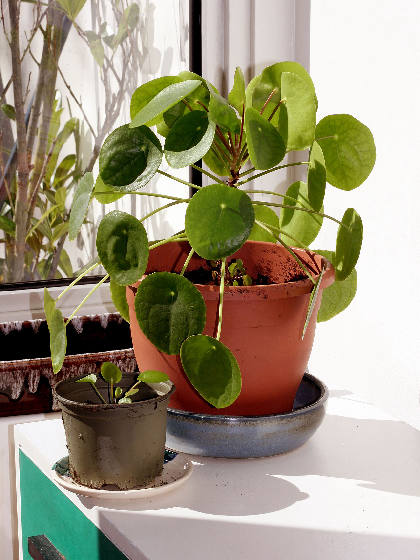
Pilea
Pilea peperomioides7 dBrightEasyAlso called chinese money plant
Pink jasmine
Jasminum polyanthum4 dSunMediumAlso called jasmine
Pitcher plant
Nepenthes3 dBrightExpertAlso called nepenthes
Polka dot plant
Hypoestes phyllostachya4 dBrightEasyAlso called hypoestes
Ponytail palm
Beaucarnea recurvata14 dSunEasyAlso called beaucarnea
Prayer plant
Maranta leuconeura4 dShadeMediumAlso called maranta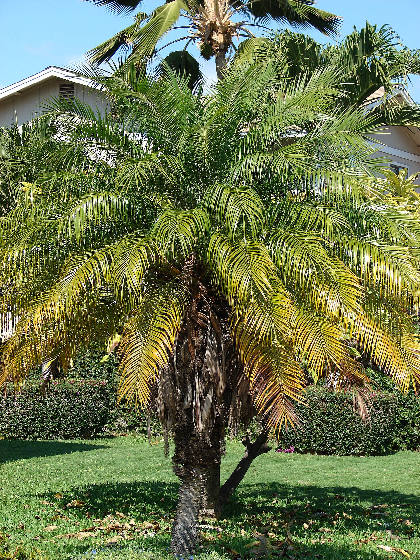
Pygmy date palm
Phoenix roebelenii5 dSunMediumAlso called phoenix roebelenii
Rattlesnake plant
Goeppertia insignis5 dShadeMediumAlso called calathea lancifolia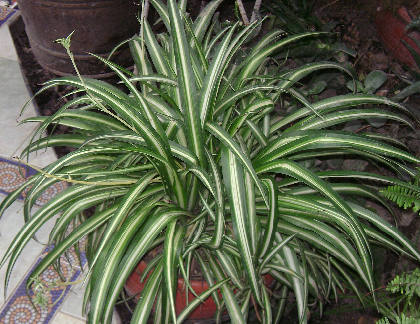
Spider plant
Chlorophytum comosum6 dBrightEasyAlso called chlorophytum
Staghorn fern
Platycerium bifurcatum7 dBrightMediumAlso called platycerium
Sweetheart hoya
Hoya kerrii12 dBrightEasyAlso called hoya kerrii
Venus flytrap
Dionaea muscipula2 dSunExpertAlso called dionaea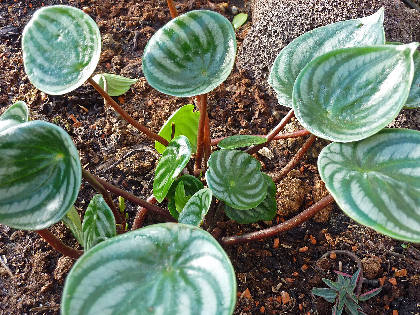
Watermelon peperomia
Peperomia argyreia8 dBrightEasyAlso called peperomia argyreia
Wax plant
Hoya carnosa10 dBrightEasyAlso called hoya
Zebra plant
Goeppertia zebrina4 dShadeExpertAlso called calathea zebrinaNo plant matches your search.
- African violet Streptocarpus ionanthus
- Aluminium plant Pilea cadierei
- Areca palm Dypsis lutescens
- Baby rubber plant Peperomia obtusifolia
- Baby's tears Soleirolia soleirolii
- Banana plant Musa acuminata
- Bird's nest fern Asplenium nidus
- Boston fern Nephrolepis exaltata
- Bunny ears cactus Opuntia microdasys
- Burro's tail Sedum morganianum
- Calathea medallion Goeppertia roseopicta
- Calathea orbifolia Goeppertia orbifolia
- Cast iron plant Aspidistra elatior
- Christmas cactus Schlumbergera truncata
- Cretan brake fern Pteris cretica
- Dendrobium orchid Dendrobium nobile
- Easter cactus Rhipsalidopsis gaertneri
- Echeveria Echeveria elegans
- Emerald ripple peperomia Peperomia caperata
- Guzmania Guzmania lingulata
- Haworthia Haworthiopsis attenuata
- Hibiscus Hibiscus rosa-sinensis
- Japanese aralia Fatsia japonica
- Kentia palm Howea forsteriana
- Lady palm Rhapis excelsa
- Living stones Lithops
- Majesty palm Ravenea rivularis
- Mammillaria
- Mistletoe cactus Rhipsalis baccifera
- Money tree Pachira aquatica
- Nerve plant Fittonia albivenis
- Norfolk Island pine Araucaria heterophylla
- Orchid Phalaenopsis
- Parlour palm Chamaedorea elegans
- Peacock plant Goeppertia makoyana
- Pilea Pilea peperomioides
- Pink jasmine Jasminum polyanthum
- Pitcher plant Nepenthes
- Polka dot plant Hypoestes phyllostachya
- Ponytail palm Beaucarnea recurvata
- Prayer plant Maranta leuconeura
- Pygmy date palm Phoenix roebelenii
- Rattlesnake plant Goeppertia insignis
- Spider plant Chlorophytum comosum
- Staghorn fern Platycerium bifurcatum
- Sweetheart hoya Hoya kerrii
- Venus flytrap Dionaea muscipula
- Watermelon peperomia Peperomia argyreia
- Wax plant Hoya carnosa
- Zebra plant Goeppertia zebrina
Non-toxic doesn't mean edible: if in doubt or if you notice symptoms, call your vet. Up-to-date list at xylea.app/en/pet-safe-plants
Plants to avoid if you have a cat or a dog
These plants contain irritating or toxic substances for animals. You can keep them, as long as they're truly out of reach: up high, hanging, or in a closed room.
- African milk tree
- Alocasia
- Aloe vera
- Amaryllis
- Anthurium
- Arrowhead plant
- Asparagus fern
- Avocado tree
- Azalea
- Bird of paradise
- Caladium
- Calamondin
- Chinese evergreen
- Coffee plant
- Coleus
- Corn plant
- Creeping fig
- Croton
- Crown of thorns
- Cyclamen
- Cylindrical snake plant
- Desert rose
- Dragon tree
- Dumb cane
- English ivy
- Ficus Alii
- Fiddle-leaf fig
- Gardenia
- Ginseng ficus
- Heartleaf philodendron
- Inch plant
- Jade plant
- Kalanchoe
- Lucky bamboo
- Madagascar palm
- Ming aralia
- Mini monstera
- Monstera
- Monstera adansonii
- Peace lily
- Philodendron Birkin
- Philodendron Xanadu
- Poinsettia
- Polka dot begonia
- Pothos
- Purple shamrock
- Rex begonia
- Rubber plant
- Sago palm
- Satin pothos
- Snake plant
- Sprenger's asparagus
- String of pearls
- Ti plant
- Tradescantia Nanouk
- Umbrella tree
- Weeping fig
- Yucca
- ZZ plant
What to do if your pet has eaten a plant
- Remove any pieces of plant from its mouth and move it away from the plant.
- Note the plant's name, or take a photo of it, and how much was eaten if you can tell.
- Call your vet or an animal poison control centre, even if your pet seems fine.
- Don't make it vomit without a vet's advice.
This information is a guide and doesn't replace a vet's advice.